Professional Commercial Cleaning Services in Seattle for Small Businesses
Seattle small businesses rarely get judged on one thing alone. Customers notice the coffee, the lighting, the speed of service, the friendliness at the front desk, and whether the place feels clean before they even think about the product. Employees do the same. A clean workspace signals order, care, and competence. A neglected one does the opposite, even when the owner is working hard behind the scenes.
That is why Professional Commercial Cleaning Services in Seattle matter more than many owners expect. Cleaning is not just about appearances. It affects staff morale, customer trust, health, maintenance costs, and how long expensive surfaces and fixtures actually last. When margins are tight, it is tempting to handle cleaning in-house or treat it as an afterthought. In practice, that often costs more than it saves.
I have seen this play out in all kinds of settings, from small law offices near downtown to neighborhood salons, retail shops, clinics, studios, and family-run restaurants spread across Seattle’s busy commercial pockets. The businesses that stay consistently sharp usually have one thing in common. They stop treating cleaning like a random end-of-day chore and start treating it like an operational system.
Why small businesses feel the pain first
Large companies can absorb a little inconsistency. Small businesses usually cannot. If you run a boutique with three fitting rooms and one front cashier station, a dusty mirror or grimy floor is immediately visible. If you manage a 1,200 square foot office with eight people sharing one break room and two restrooms, odors and smudges build up fast. If you own a café, one sticky condiment station can wipe out the effect of a beautifully designed space.
Seattle adds its own challenges. Wet weather tracks in mud and moisture for much of the year. Entry mats get saturated. Hard floors show footprints quickly. Windows collect grime from rain and traffic film. In denser neighborhoods, pollen, street dust, and moisture combine in a way that makes spaces feel dull faster than many owners expect. During cold and flu season, shared touchpoints become another issue entirely.
For a small business, cleaning is not just a nightly reset. It is part of brand management.
What professional service changes day to day
The biggest difference between casual cleaning and professional cleaning is consistency. Anyone can wipe a counter. A trained commercial cleaner notices the corners where dust gathers, the baseboards that fade into the background, the restroom dispensers running low, the buildup around sink fixtures, the fingerprints on glass, and the floor edges that machine cleaning can miss if the crew is rushing.
That attention matters because customers rarely comment when a space is clean. They simply feel comfortable. They stay longer. They return. When something is off, they notice it immediately.
A good team also works with the rhythm of the business. A small accounting office may need quiet after-hours cleaning that respects secure paperwork and locked rooms. A gym may need early morning sanitation before member traffic starts. A retail store may need extra floor care during holiday season when foot traffic jumps. One of the common mistakes I see is owners buying a generic Cleaning Services in Renton package that does not match how their space is used.
For example, a design studio with mostly desk work does not need the same schedule as a pediatric therapy office. A salon with color stations and hair clippings has very different cleaning needs from a small warehouse showroom. Professional service is valuable precisely because it adapts.
The hidden costs of doing it yourself
Many small businesses start with good intentions. They assign staff to wipe surfaces, vacuum, empty trash, and clean restrooms. On paper, it looks efficient. In reality, it often creates three problems.
First, employees are usually not trained to clean commercial spaces thoroughly. They clean what they see and skip what they do not know to look for. That leads to gradual decline rather than obvious failure, which is why owners often miss it until the space feels tired.
Second, cleaning tasks cut into paid time that should go toward customer service, sales, prep, or admin work. If you are paying a front desk employee $22 to $30 an hour and they spend 45 minutes every evening doing partial cleaning, the math changes quickly over a month.
Third, accountability gets muddy. If everyone is responsible, no one truly is. Supplies run out. Tasks get skipped during busy periods. Restrooms receive only quick wipe-downs. Floors get mopped with the wrong products. Over time, wear and tear becomes expensive.
I once walked through a small office where the owners thought their team was “keeping up fine.” The carpet around desk chairs looked gray, not because the carpet was old, but because soil had been ground in for months without proper extraction. The hard floor near the entrance had lost its finish from repeated use of the wrong cleaner. Replacing and restoring those surfaces cost far more than regular service would have.
What a quality commercial cleaning plan actually includes
The best cleaning plans are built around use patterns, not guesswork. A cleaning company should walk the site, ask how many staff use the space, when clients come through, what surfaces need special care, and which areas matter most visually. They should also ask what has not worked before. That question tells you a lot about whether they are listening.
A strong plan often covers the following:
- Restroom sanitation, restocking, and odor control
- Trash and recycling removal with liner replacement
- Floor care for carpet, tile, vinyl, wood, or concrete as appropriate
- High-touch disinfection for door handles, switches, counters, and shared equipment
- Spot cleaning of glass, mirrors, break rooms, and reception areas
Those basics sound simple, but execution is where value shows up. A restroom can be technically cleaned and still smell bad if drains, grout, trash lids, and corners are neglected. A floor can be vacuumed and still look dirty if edge buildup remains. A reception desk can be wiped but still look sloppy if the glass entry and metal hardware are streaked.
Professional crews develop routines so these misses happen less often.
Seattle businesses need seasonal flexibility
One thing owners in Seattle learn quickly is that cleaning needs are not static throughout the year. November through March can be brutal on entryways. Water, grit, and mud come in constantly. Without extra attention, that debris travels deeper into the space and damages floors. In spring, pollen and dust can make windowsills, ledges, and vents look neglected. Summer may bring heavier tourist traffic for hospitality businesses, retail stores, and mixed-use spaces. Fall often brings another uptick in moisture and debris.
This is where local experience matters. A team used to Seattle conditions knows that mat management, floor drying, and moisture control are not minor details. They also understand that a clean-looking floor in a rainy city often requires more frequent service than owners budgeted for initially.
That local understanding also applies outside the city core. Businesses looking for Professional Cleaning in Renton or Cleaning Services in Issaquah often have slightly different needs based on building type, parking access, and customer flow. A suburban medical office with easier parking and more family traffic may prioritize lobby and restroom turnover differently from a compact downtown office suite. The principles are the same, but the schedule and focus areas can shift.
Industry differences that matter more than most people think
Commercial cleaning is not one-size-fits-all, and small businesses get better results when they stop shopping purely on price and start thinking about fit.
Lumenloft Home CleaningProfessional cleaning services for homes and businesses in the Seattle area.
Covering the following areas:
Auburn, WA
Issaquah, WA
Federal Way, WA
Renton, WA
Bellevue, WA
North Bend, WA
Bonney Lake, WA
Snohomish, WA
Covington, WA
Kent, WA
Phone: 253-478-6024
[email protected]
A retail store needs presentation. Glass, mirrors, fitting rooms, entrance areas, and polished floors shape the customer experience. In a boutique setting, details matter. Dust on shelving, fingerprints on display cases, and lint in corners all distract from the merchandise.
An office needs steadiness. Desks, conference rooms, break areas, carpets, and restrooms need to stay clean without disrupting work. The goal is not glamour. It is a consistently healthy and organized environment.
A medical or wellness space needs tighter sanitation standards. Even without hospital-level protocols, treatment rooms, waiting areas, and restroom hygiene carry more weight because clients notice them through the lens of health and trust.
A restaurant or café needs grease control, touchpoint sanitation, restroom upkeep, and spotless front-of-house areas. Food businesses can survive a lot of challenges, but they struggle to survive customer concerns about cleanliness.
A short-term rental operation is different again. That is where Airbnb Cleaning Services in Seattle often overlap with commercial standards. Turnovers need speed, precision, linen coordination, bathroom resets, kitchen detailing, and a reliable checklist mindset. Many small operators think of Airbnb cleaning as separate from commercial cleaning, but the best providers bring the same discipline to both. Timing, consistency, and presentation all matter.
There is also a useful crossover with Residential Cleaning Services in Seattle. Some small businesses operate from mixed-use properties, live-work spaces, or converted homes. In those cases, the right cleaning partner understands both residential finishes and commercial expectations. Delicate wood floors, home-style fixtures, and multi-use kitchens require a lighter touch than standard office cleaning, but they still need professional structure.
The price question, and what owners should really compare
Every owner wants a fair rate. That makes sense. The mistake is comparing quotes without understanding what is included.
One company may offer a low monthly number but only cover basic trash removal, quick vacuuming, and surface wiping. Another may include restroom sanitation, supply checks, glass touch-ups, break room cleaning, periodic deep work, and better quality control. On paper, the first quote looks like savings. In practice, the cheaper plan often leaves the owner or staff dealing with the gaps.
Pricing usually depends on square footage, visit frequency, scope, surface types, and the complexity of the site. A 900 square foot office with low foot traffic is different from a 900 square foot salon or bakery. Access also matters. After-hours buildings, alarm procedures, elevator restrictions, and parking limitations all affect labor time.
If a bid seems unusually low, there is usually a reason. The crew may be under-timed, under-supervised, or expected to move too fast. That tends to show up first in restrooms, floor corners, break room sinks, and touchpoint areas. Those are the places customers and staff notice most.
What to ask before hiring a cleaning company
The easiest way to avoid disappointment is to ask practical questions early. Not polished sales questions, real operational questions.
- Who supervises the crew, and how often are sites inspected?
- What tasks are included every visit, and what is done less frequently?
- How do you handle issues, missed areas, or special requests?
- Are your cleaning products matched to the surfaces in my space?
- Can you adjust frequency during busy or rainy seasons?
Owners who ask these questions usually get better service because expectations are clear from the start. It also becomes obvious very quickly whether the provider actually understands small business operations or is simply selling a standard package.
Red flags I would not ignore
Some warning signs are subtle. Others are not.
If the walkthrough feels rushed, that is a concern. If no one asks about floor type, traffic patterns, building access, or restroom use, that is another. If the scope is vague, the quality will probably be vague too. And if the proposal leans heavily on promises but says little about actual tasks, staffing, or communication, problems tend to show up later.
Another red flag is when a company insists every client needs the same frequency. Small businesses vary too much for that. A quiet insurance office may do well with three visits a week plus monthly detail work. A café, clinic, or busy retail shop may need daily attention. Good providers make recommendations, but they do not force a generic formula.
Cleanliness affects staff more than owners realize
Customers are the obvious audience, but employees feel the effects first. People work better in spaces that smell fresh, have stocked restrooms, clean common areas, and floors that do not feel gritty by noon. It sounds basic because it is. Basic conditions shape daily mood.
A lot of retention issues are tied to bigger concerns like pay and management, but environment still matters. Staff notice when the break room sink is always dirty, when trash overflows, or when the restroom never feels fully cleaned. They may not say much about it directly, yet it contributes to the sense that standards are slipping.
I have seen owners spend thousands refreshing furniture and repainting walls when what the team really needed was reliable cleaning and better upkeep. Fresh paint looks nice for a week. Daily cleanliness changes how a workplace functions.
Deep cleaning versus routine cleaning
Routine service keeps things presentable. Deep cleaning resets the space. Both matter, and small businesses often underuse the second.
Routine cleaning handles visible maintenance, such as floors, trash, counters, and restrooms. Deep cleaning tackles the accumulated issues that make a space feel worn even when it looks fine at first glance. That may include carpet extraction, baseboard detailing, vent dust removal, high dusting, grout scrubbing, appliance cleaning in break rooms, interior glass work, and machine scrubbing for hard floors.
If your business has been relying on minimal upkeep for a while, a deep clean can be the smartest first move. It establishes a clean baseline so routine service can actually maintain the space instead of constantly chasing buildup.
This is especially true when a business changes hands, remodels partially, expands hours, or comes out of a slow season. Starting fresh makes ongoing maintenance more effective.
Matching frequency to reality
One of the most common planning mistakes is setting service frequency based only on budget. Budget matters, but the better question is this: how quickly does the space show wear?
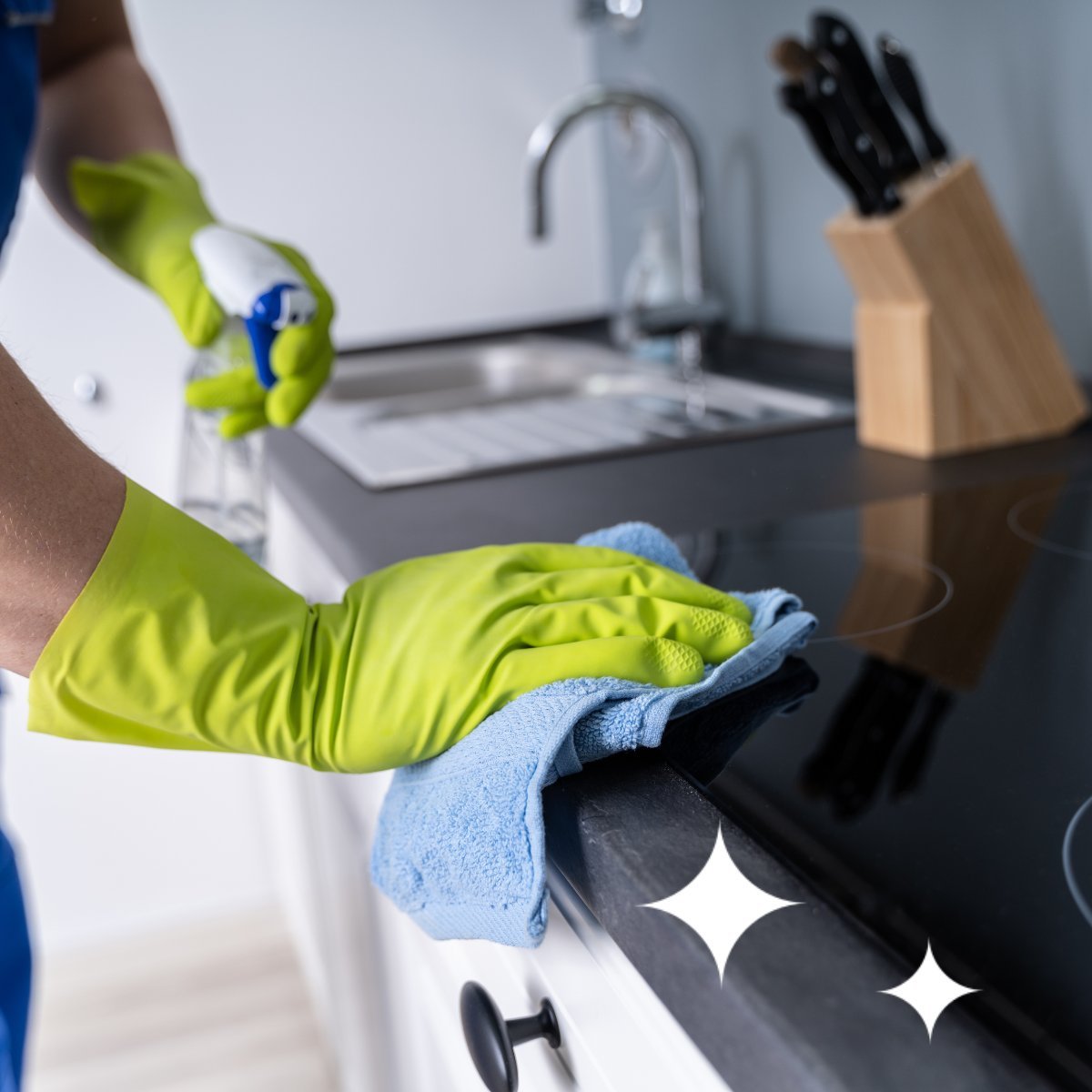
A compact office with six employees may need only two or three visits a week if people are tidy and client traffic is low. A storefront with constant foot traffic can look tired after a single wet afternoon. A clinic with shared waiting areas, children, and frequent restroom use often needs more consistent attention than owners expect.
The sweet spot is usually a schedule that keeps your space from slipping between visits. Once a space starts looking dirty before the next clean, the schedule is too thin. At that point, staff begin doing patchwork maintenance anyway, and the business ends up paying twice, once for the service and once in staff time.
When nearby service areas matter
Seattle businesses do not operate in isolation. Many owners have multiple locations or serve customers across the region. A company that can handle Professional Cleaning in Renton, Cleaning Services in Issaquah, and Seattle itself can be especially useful for growing businesses that want consistent standards across sites.
That consistency matters. If one location always feels cleaner than another, customers notice. Employees notice too. Multi-site businesses do best with a provider that can document scope clearly, assign dependable crews, and keep communication centralized without making the service feel impersonal.
Even for a single location, regional coverage can help with scheduling flexibility, backup staffing, and specialty work. If your office is in Seattle but your owner also manages a rental in another neighborhood or city, having one trusted point of contact can simplify a lot.
The right cleaning partner should make your life quieter
That may be the simplest test. Good cleaning service reduces noise in your business, not literal sound, but the mental load. You stop noticing restroom supplies because they are stocked. You stop checking corners before clients arrive. You stop asking employees to wipe things down at closing when they should be heading home. Problems do not vanish completely, but they stop taking up so much attention.
The best providers are not flashy. They are reliable. They communicate clearly, adapt when your needs change, and do not need constant supervision. If something gets missed, they fix it quickly. If weather or traffic patterns shift, they adjust. If your business grows, they help you scale the scope without overcomplicating it.
That is what small businesses in Seattle really need from professional cleaning. Not just a cleaner building, but a more dependable operation.
And in a city where impressions are formed fast, weather works against you, and every square foot has to earn its keep, dependable cleaning is not a luxury line item. It is part of running a business that people trust.